Peace, Calm, Serenity
  • Home
    • About Me
  • Organization
  • Spiritual Living
  • Sustainable Lifestyle
    • Daily Life
    • Homesteading
      • Cooking
      • Gardening
      • Building and Projects
      • Outdoors
      • Prepping
    • Zero Waste
    • Resource List
  • Contact Me


I've always had a garden of my own, even when I just grew potted cherry tomatoes on my small porch in our apartment back when my kids were small (and the apartment complex's kids all stole them).  As we moved to bigger places, my garden grew with the size of the yard.  When we moved into the house where we live now, my garden was super tiny, even though we had the room to make it huge.  But it was during the beginning of the lockdown, and I was too scared to think about buying seeds or plants.  But last year, I bought a plastic green house and my tomatoes overfloweth.  This year, we are doubling the size of our garden, and we expanded the types of food we're growing, as well as designing a whole new way for us to garden.  

Each year, I learn from the mistakes from the previous year and use what I learn to make each garden better.  Last year, I put both my kale and my Brussel sprouts in my greenhouse.  Oops.  I had no idea that cruciferous vegetables were cold lovers.  No wonder my kale was spindly and my Brussels never came to fruition.  They were too hot!  So this year, I will direct sow them in the middle of July, so that way they will be ready in the fall, when they will actually grow properly.  We live in zone 5, so we get hot summers and harsh winters, which only gives us a growing season of 3-4 months (although I start my seeds indoors in March or April).  

So what I'm doing different this year, compared to previous years, are few things: 

  • I created a garden journal.  I designed one on Canva to have printed on Amazon, but for my personal one, I'm going to hand write it all in.  I numbered my seeds and put the matching number on the seedlings so I know which plant is what.  And I will record information about each seed and plant in my journal so that way next year's garden will be even better with the information I record from this year.  I'll show you some pics below.  
  • I'm strictly doing container gardening.  We have a horrible burdock problem in our yard, so we'll be covering up the entire ground in the garden with cardboard to kill it, and cover that in mulch.  Then we'll be using Rubbermaid bins with holes drilled in the bottom, filled with rocks, then sticks, then compost, and then dirt (and topped with mulch).  
  • I'm creating trellises to grow my luffas on, as well as my squash.  I'm taking metal fence pieces and bending them overhead and attaching them to posts for all of my climbing plants.  

Eventually, we will be living on a bigger piece of land and expanding our garden to something more farmette sized.  Although, I want to make money off of my garden, that's not the main reason I grow food.  I grow food to live more sustainably and to save money on produce.  But some may ask, is it worth it?

Because I will say the amount of time you put into a garden may not pay off if you do not choose crops that produce a lot food.  In the summertime, most produce goes so far down in price that it could end up costing you more in time, water, mulch, etc. than it would be just to buy the food at the store.  And so that's why you need large producing plants, and lots of them.  And if you overproduce, to the point it's too much for you, you can choose to freeze it, can it, or sells it.  You can also makes things like tomato sauce or hot sauce or other items with your produce to either can, freeze, or sell. 

Though I prefer to grow too many plants to sell, rather than selling an over production of produce.  It's so much less work, and I am all about doing the least about of work that produces the most amount of yield.  And while you may be able to make more money selling the produce itself, in order to actually be sustainable, you need that overproduction of produce to last you longer than a single season.  And right now, my garden is only sized for my family, so my overproduction is only for us (and maybe a little for the neighbors).  So for me, the most amount of yield is to have the most amount of actual plants, so I can keep several and sell the rest.  And, I make sure I buy overproducers, so that I can get the most bang for my buck when my plant produces fruit, as well as being able to sell my plants at better price, as the customer will be happy to get an overproducing plant. 

Which is why I have my garden journal.  I need to remember which plant has what properties and the journal keeps all that information in a single place.  

What an easy way to make some extra money, to grow plants, even if we only intend on selling the plants themselves, rather than the fruit they produce.  And the Dollar Tree sells seeds for 25 cents, so you could get started for sooooo cheap.  So anyone could save some used mushroom containers (the little plastic trays mushrooms come in) or something of the sort, get some potting mix from the dollar store, and plant their seeds (and keep them wet).  And once they grow bigger, you can separate them into bigger containers to get them ready to sell.  I get my bigger containers on Amazon (I buy these-though there are smaller and cheaper ones you can find on there, too).  And you can sell the plants on Facebook Marketplace, or even on Craigslist, or have a plant sale like a garage sale.  

Plus, you'd be able to grow your own food.  And if you're poor?  You really need to be growing your own food.  And food stamps cover seeds in most, if not all, states.  I should know, we didn't get off food stamps until 2021, after being on them for my entire adult life.  And even though I always had a garden, I never really took gardening seriously until last year, when I realized I could do so much more than I had in the past.  

And it's not even that hard to do.  Not even the stuff that sounds hard, like composting.  Here is an easy step-by-step plan to get you started with growing you own food: 
  1. Get your containers or prepare your space.  I am using Rubbermaid bins I found at a resale shop this year.  I drilled holes in the bottom and filled them with rocks, then sticks, then compost, then dirt and will top them with mulch after the plants are planted.  Here is the video on how I learned how to do this.   If you're going to prepare your planting space on the ground, don't till it.  Instead, cover it with cardboard (save those Amazon boxes!), and then top with straw (if you can afford it), and then mulch (you can get it free through your city or even through a tree cutting company).  Here is a video on how to do that.  
  2. Figure out what seeds you want to grow.  You can go to the Dollar Tree and pick up seeds for 25 cents, or go where I went this year, which is RareSeeds.com.  
  3. Get your seed starting containers, if it's early in the year (red cups work well!).  Start them indoors, 6-8 weeks before the last frost.  Here is a great video on growing seedlings.
  4. Get your bigger plant pots so they grow into hardy plants before planting them outdoors.  Again, red cups work well for this.  
  5. Plant them outdoors either in the containers or in your garden space.  Remember, tomatoes love calcium, so make sure you're not using old used dirt, otherwise all the nutrients will be gone (which is what compost helps with).  
  6. Create a compost bin for next year.  Get yourself a big 'ol garbage can with a lid and two bungee cords that can be hooked into the little holes in the handles across the top of the lid.  Like this.  Keep all your weekly newspaper ads that come in the mail (or if you get the paper, keep those) and shred them.  Don't use the glossy ads though.  Just the papery ones.  I keep my shreds in a garbage bag.  When you compost, you do equal parts green and brown.  Green=food scraps, lawn waste.  Brown=dead leaves, sticks, shredded paper or cardboard, etc.  So when you put food in it, throw some paper or dead leaves in.  Sticks should be really broken really small.  Use the bungee cords to criss-cross across the top and secure in the handle holes.  Give it a good roll around the yard once a week or more.  Gotta aerate it!  This will be mixed into your dirt for next year's garden.  Even if you don't use it in a garden (you can give it away when it's ready, or throw it in a dirt area), it's a great way to get rid of food scraps (though no meat or fat, or citrus--check out this list here on what's acceptable food to compost).  And if you find a worm in your yard?  Throw it into your compost!  
  7. Here is a great video on watering (though not just for watering, but it includes that and this video is for tomato plants, but you can do some research on other plants, too).  You can always water small amounts every single day if you like, after the sun goes down.  But if you want the best bang for your buck, watch that video, and other great videos on the subject on YouTube.  
  8. Make a plan of what to do with your overages of produce.  Will you freeze it?  Can it?  Give it away?  Sell it?  
  9. Be patient, because once they start producing, they won't stop.  Check your garden every day so you don't miss anything.  
  10. Consider creating a community garden in your front yard.  Less mowing, and you get to get to know your neighbors.  Also, consider buying fruit trees to either share fruit with neighbors or family or to freeze or can yourself.  Fruit trees (or nut trees), especially the dwarf varieties, are very low maintenance.  
  11. Save your seeds!  Dry them, then label them.  This is very important, otherwise, you'll have to buy new seeds next year.  You can even sell your seeds if you like.
  12. Enjoy your own home grown food!
If you live in the middle to upper states, consider investing in a greenhouse to help protect against sudden frosts.  

Growing food to eat only one season out of the year isn't all that sustainable, as you can get cheap produce in the summer and fall easily at the grocery store.  But that doesn't mean you shouldn't do it.  Start small, and let your garden grow with the knowledge you accumulate as you go (and as your yard gets bigger).  Or, consider indoor hydroponics if you don't have the outdoor space.  But if you grow food so that you have an overabundance each year that lasts well into winter?  Then you're living a more sustainable life.  This is the type of gardening that will help you and your family in times of inflation on groceries (as we're seeing right now in 2022), as well as if we ever have a lockdown again.  Or, even if none of those things happen, you won't have to pay for food at the grocery store as much.  Saving money is always a good thing.  

This year, we're adding egg-laying hens to our sustainable homestead, so eventually, we won't have to pay for eggs, which are also going up in price.  Is having your own eggs worth the price of the chickens, as well as the feed and everything else?  I really don't know yet.  I hope so.  But we'll see. But remember, there is no such thing as failure.  Everything in life is an experiment to see what works and what doesn't.  Your garden is, too.  So don't get discouraged if things don't work the first or the seventh time around.  You learn from what didn't work and try again in a different way.  Just keep on experimenting to find what works for you.  

Good luck and happy gardening!!  


Getting chickens may sound like something fun to do, as well as something that may save you money in the long run, especially with today's rising food prices in 2022.  But I am here to tell you something: not all sustainable lifestyle choices will save you any money.  And some, may cost you more in the long run.  So, you have to ask yourself, are you becoming more sustainable to save money?  Or are you doing it to actually life more sustainably?  

To answer this question, let's dive into what living sustainably really is.  

  1. Sustainability allows you to be less dependent on others for your needs.  Whether that's food, kitchen items, cleaning items, clothes, beauty items, and other things.  Which means if these items ever stop getting produced or there is a shortage, you will still have access to them.  
  2. Sustainability means it's better for the environment.  Which means that instead of being mass-produced, the item(s) are produced by you, a single person or your family.  Which means less pollution, less garbage and waste, and most likely, produced in such a way with reusable items.
  3. And lastly, sustainability can mean something is cheaper.  Creating your own beeswax lip balm is mostly cheaper than buying it.  Or making your own clothes or buying them used is way cheaper than buying new.  But price should not be the only reason you are doing it.  The first two should be just as, if not more, important than this one.  Even though this one is true in many cases. 
So, is having backyard chickens cheaper than buying eggs at the store?  The answer is simply, no.  Not if you're just raising enough hens for your family's egg consumption.  The only time they start paying off is when you have enough to a) sell their eggs or b) sell their meat.  Egg laying hens can be more expensive to buy as chicks than buying chicks for their meat.  Especially if you buy easter eggers, meaning hens that lay different colored eggs (like blue and green--who knew those existed, I didn't!).  For fifteen baby chicks (the minimum where we got them) cost us around $100.  We did get the special colored egg-layers, along with five Rhode Island Reds.  And we had to buy a heat lamp (actually we got a heat plate, but it didn't work out for us, so I returned it), a container to use as a brooder, bedding, food, a feeder, and a waterer.  The container we already had (a large Rubbermaid bin).  The food is cheap, as is the bedding, and the waterer and feeder were around $5 each.  So the initial investment was less than $150.  

But now they are bigger.  And we live in an area where bird flu is going around due to migrating birds, so we have to keep them indoors.  So now we had to go buy them 5 tarps (from Family Dollar at $5 each), 12 bags of sand at some odd price I don't know each, a full-size waterer and feeder at $10 each, and a mirror (a full-length mirror from Family Dollar because chickens LOVE mirrors to play with--for real, they love to look at themselves like all day long LOL).  Still, that's not a huge investment, but we have to add in the time it takes to clean up after them, build them stuff, as well as feeding them and having a heater on in our basement for them to keep warmer (though that may go off soon as they grow bigger).  

And they still will not produce eggs until another three months (they start at around sixteen weeks old).  Then we have to switch their feed to egg-laying feed, and then also provide them with nesting boxes.  

Oh, and I forgot the cost and time investment for the chicken run.  For us, we had a fenced in garden that we turned into our chicken run.  So we had to buy chicken wire to line the entire thing, because the fencing is too big and would let predators in and chicks out.  Plus, we had to expand it to go to the front of our chicken coop.  And if you don't already have a coop, you have to add in that cost, too (we already had one, as the house came with one).  

And I'm telling you, the cost of buying eggs at the store is WAY cheaper than all the work we're putting into these chickens.  Which was starting to wear on me when I really thought about it.  But then I shifted my thinking.  What if the reasons we have these chickens has nothing to do with the cost of a dozen eggs?  What if the reasons we're doing all this goes far beyond how much it costs?  So, we came up a list of reasons we want to raise chickens: 

  1. We're stopping any type of animal abuse that comes along with how we get our eggs.  Our chickens will be mostly free-range (when the bird flu is gone and they can go outside) and will be treated like family, rather than being stuck in a cage popping out eggs without getting any exercise at all. 
  2. We know what we're feeding our chickens.  We can choose whatever we like to feed them, as well as know the ingredients of the feed we purchase for them.  If they can be free range in the spring, summer, and fall, then we know they are getting the most nutrition possible.  So we know the eggs the produce will be better quality.  
  3. We will have eggs even if the bird flu decimates much of the chickens in the commercial industry.  Let's hope that doesn't happen, but if it does, we will have access to eggs (eventually).  
  4. If we get meat chickens later on (which was our plan), then we will have access to chicken.  Whereas right now, we haven't had chicken in months.  Now, we'll have to invest more money into building them a larger indoor coop if the bird flu keeps up, but eventually, it'll pay off.  Though, as long as the bird flu is an issue, I don't think we'll end up doing this.  
  5. We can grow our own baby chicks if we ever get a rooster (though we live in a neighborhood right now and I refuse to get a rooster until we live on much bigger land) and have an endless supply of chicks to either sell or have more hens to lay for us.  Which means more eggs, which we can either sell or give away if we have too many.  
  6. We are learning how to have a homestead.  We're starting with chickens and eventually, we'll expand to much bigger things.  But this is our start.  Eventually, we'd like to have bees, pigs, a fruit orchard, a nut orchard, a large garden, etc.  Essentially, we want to have a farm.  But we're starting with chickens.  
  7. And lastly, we may never have to pay for eggs again. 
So, for us, having chickens isn't about the cost of eggs.  That's the least of what's on our minds for this venture.  It's a starting point for something much bigger, and more sustainable.  My goal?  Is creating a food forest, as well as a veggie farm.  My boys' goal, is to grow their own meat.  And for all of us, eventually, living off grid, if at all possible.  One thing at a time, though.  And we chose to start with chickens.  It's not as easy as we thought it was going to be, but nothing ever is.  Especially if it's worthwhile.  

So, if you're thinking about getting backyard chickens, ask yourself these questions: 

  • Am I ready for the cost of raising chickens?  Do I have the cash to begin this venture?
  • Am I ready for the work of raising chickens?  Do I have the time to begin and sustain this venture?
  • Am I in it for the price of eggs, or is this about something more?  Or does any of that extra stuff even matter to me?
  • And, do I have the patience for this venture?  
Raising chickens isn't as easy as you think, but it's also not terribly hard, either.  And I do feel it's wonderful watching your chickie babies turn into big birds (not Big Bird!) and seeing each of their personalities develop.  But again, it's a lot of work.  So do your research before getting them.  Also, call the Dept. of Agriculture in your county or state to see what their recommendations are if the avian flu is still an issue.  Because you don't want to expose your chickens to that and possibly lose your entire flock.  

To reiterate, sustainability isn't always about lowering your daily costs.  It's also about not depending on others for your needs, as well as doing right by the environment.  So, strongly consider your reasons for getting chickens if you're thinking about it.  Because a backyard flock isn't going to save you any money on eggs.  At least not for a long time.  But in the long run, it can give you so much more.  

Good luck and share your chicken pictures below if you have any!  


I got this book from Amazon this week and I cannot wait to start using it.  I think I will use a different journal to answer the questions, as the author says that during her zen journal retreats, she has everyone work for around 30 minutes per question.  So I think I'll do that, because the idea is to get into the zen mindset while writing, so you can carry those feelings with you all day.  Which is how you stay mindful.  


Mindfulness saved me when I was at an all-time low.  Back when I was at my worst, around 2010, I didn't know about it.  But had I, I may have gotten better more quickly.  

I suffer from pretty severe anxiety at times.  I have since birth, and it's something that will never completely go away, but can be managed.  Recently, I saw a video from a therapist I love who said "A relaxed body cannot be an anxious body".  And mindfulness relaxes me like nothing else.  

Back in 2018, when my life (and my family's life) was falling apart, mindfulness saved me and I've been on a journey with it ever since.  

I watched the movie "Walk With Me", which is about Thich Nhat Hanh's Plum Village.  This movie is mindfulness personified.  If you want to experience how mindfulness is supposed to feel?  Watch that movie.  Or watch many of the amazing cottage core or other calming aesthetic channels on Youtube.  They will show you exactly how it's supposed to feel.  And for me, that feeling saved me from my horrible anxiety due to my family almost becoming homeless and then being put into a terrible situation that allowed someone to abuse us.  

But just like anything new you learn, you feel super jazzed about it for a period of time, but eventually that starts to wear off and you start to forget that wonderful feeling you were so jazzed about.  So you have to keep it up with various things.  And one of those things for me, will be this journal to work on (as well the aesthetic Youtube videos I watch all the time).  

So, I will post my entry for the first question in the journal (and I am excited it starts in spring and it's spring right now).  

You can find this journal right here.  https://www.amazon.com/Year-Zen-52-Week-Guided-Journal/dp/1647397170/

So, let's get started: 


Present Moment: If you miss a moment, you miss your life.  Take a moment to note this very moment: what do you see, hear, feel, notice most vividly.

I hear the fan whirring.  I always have a fan on because of my tinnitus.  But also, the birds.  It's been so long since I've heard them, as it's been so cold.  Yesterday was 70 degrees and it stayed warm enough all night to leave our windows open.  The first time this year.  And now the temperature is 62 and falling, and a chilly dampness is setting in.  Severe thunderstorms are on the way.  But the breeze through my windows is amazing after such a long winter.  The smell.  Oh the smell!  I love the way the air smells when it's humid and chilly.  It feels thick in my nose.  I am also hungry.  I can feel my stomach rumbling.  I think I'll have some cereal, even though it's 3pm.  I can also hear the cars distantly away on the highway, going to places only they know where.  I always wonder about those people.  About their lives, or what they're up to.  Or if they're happy or suffering today.  So I send them all love, just in case.  I think today I will just enjoy the damp, humidness, because come tomorrow, it's going back down into the 40's again all week.  So much for spring weather.  But today, today is warm enough to not wear a jacket.  So I will enjoy this moment, this day.  And I will find something to enjoy in tomorrow, too.  

My room is messy.  But this is what happens when I create.  I can keep it organized and clean when I am not creating.  Which is why I don't always create.  Sounds silly, but I've learned, when I don't create, I read, and I keep a cleaner room, and it doesn't hurt my creativity to take breaks.  But even though it's messy and overwhelming right now, I just look at my stuff and say thank you, because without it, I could not create.  And I am lucky to have this stuff to create with.  I am very lucky.  It also motivates me to keep creating so I can get done with it and have a clean room again LOL  But even so, I have my picture of Harley looking at me every single day.  I miss him.  He as a great dog, our first one as a family.  And hI wish he were still here.  I have two other dogs who are elderly now and it makes me sad to know there will be life without them one day.  But when I feel like that, I remember: they are here now.  And I hug them and brush them and bathe them and play with them and know that in this moment, they are here with me and it's not worth being sad over when they won't be.  Not now, at least.  Because they aren't gone.  Future worry does nothing but steal the present moment from us.  And right now, my two other elderly dogs are on each side of me (though one is on the floor).  And I know that I am blessed by their presence to have them with me.  I am lucky.  

I am breathing in this air and wow, is it wonderful.  I send thank yous to the universe for allowing me to exist on this gorgeous day.  


"Now, when I was with Maharaji in early ‘68 I asked him, “Maharaji, how can I know God?” and he said, “Feed people.” That was such a weird answer that I assumed the translator screwed up, so I figured I’d rephrase it, “Maharaji, how can I get enlightened?” and he said, “Serve people.”

Those of you that have enjoyed esoteric spiritual teachings, secret teachings… say you go to the mystic Orient, and you climb a secret mountain and walk into a cave and then a special mantra is whispered to you.. Is this what you are thinking will change your whole spiritual life? That’s what I was waiting for. What I got instead was this old guy in a blanket saying “Feed people” and “Serve people.” So I thought, “What does he know??” But the problem was, I knew he knew, and I just didn’t want to cop to it. So I did everything else instead until I came back around to what he’d told me." - Ram Dass


I do not wish to know god, as I am an atheist.  But I do wish to know how to find enlightenment.  I do wish to know how to do good in the world.  I do wish to know how to be closer to my soul.  And Ram Dass here has summed it up quite nicely.  Feed people.  Serve people.  Whether you are spiritual, religious, or atheist, doing good in the world is just, well, good.  It's good for you.  It's good for others.  It's good for everyone.  I am not saying you have to dedicate your life to this, but you can certainly do it on the side.  Help someone out.  Hand out cash to people who need it.  Give them coats or shoes or whatever else you can.  

Just help people.  

If that is your only way you practice human connection on this earth or is your only path to spirituality?  Then you are doing right on this earth.  Don't give to the point of hurting yourself or letting yourself get hurt, but do what actually can, while keeping yourself and your family safe.  

Feed people.  Serve people.  Help people.  Love people.  And love yourself, too.  


Here is Ram Das' full talk on this: 

Ram Dass Reminisces about his Neuroses • Ram Dass


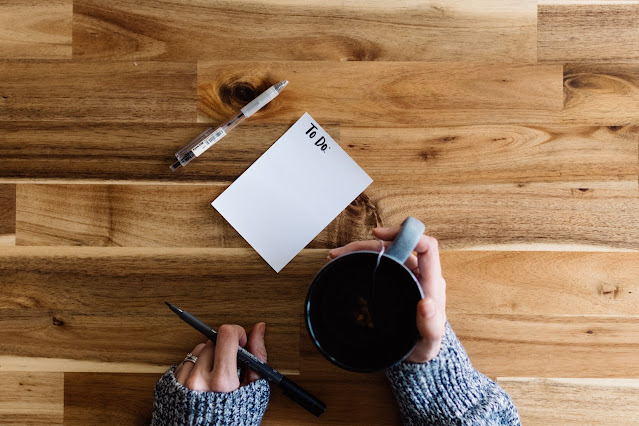
If you're like me, then you have an issue with finishing what you start.  Some things are easy for us to finish, but most things are not.  And I am here to tell you that not only is that okay, but sometimes it's necessary to being actually productive.  

Take reading a book for example.  I have a stack of unfinished books.  One being "Wicked" by Gregory Maguire.  After reading a huge chunk of it, I started collecting all of his other books, making plans to read them all after I was done with "Wicked".  But I never finished it.  And I never read any of those other books.  That collection moved with me to several different houses, and I think I've had them for almost ten years, just sitting on my shelf.  Recently, I've been really diving deep into the decluttering and realized that if I really had wanted to finish "Wicked", I would have, and holding onto the entire collection of books was just silly.  I wasn't into that genre anymore and haven't been for quite some time.  So why did I have them?  If I were to listen to Marie Kondo, those books bring me lots of joy, and I'd have held onto them forever.  The idea of reading them excited me.  But I never did.  And most likely wouldn't have until some far date in the future.  And forcing myself to finish "Wicked" just so I could read those books, too, well, that's just nuts.  I am a reader who rotates genres, and what I've been reading the past few years are women's thrillers, dystopian fantasy, and currently I am reading a fable called "Once Upon a River" (it's excellent, by the way).  "Wicked" just didn't fit into those genres, nor did the rest of the Maguire collection.  So, I stacked them all up (along with all my Jodi Picoult novels I haven't read yet) and donated them.  I kept "Wicked", just in case one day I want to finish it.  I keep most of my unfinished books, if I think I will maybe one day want to finish them.  But the ones I know I won't, I just donate.  I think we don't finish certain books because they just don't grab us enough.  Or, if you're like me and have ADHD, you wander off to do something else because you're just not that into reading as you thought you were when you were reading it.  It happens.  And it's okay.  

Do you know what was a waste of my time in 2016 when I read over fifty books?  Finishing the first book of the year, which was Neil Gaiman's "Stardust".  Good lord, that took me five entire weeks to read.  FIVE!  I just could not get through it.  But I forced myself to finish it and it was torture the entire time (sorry Neil...in my personal opinion, your movies are better).  It was a total waste of time for me, as I could have read over five books during that time.  Five interesting, fun, and immersive books.  But instead, I was stuck with one boring and tedious one that I just could not get through, but somehow I did anyways.  That was the year I read all of Megan Miranda's books (at the time) as well as Nicola Yoon's books, and all of Lisa Jewel's books (see how my taste in genres change?) and many more.  There were so many better options for me that January.

Finishing what I started that year was not productive in the least.  In fact, it was a waste of my time.  

Other things I have a stack of that are unfinished are many WIPS (works in progress--a phrase writers use for the books they are writing), art projects (like my dollhouse I built--I am really into miniatures), and house projects (like putting in my bathroom floors, for one).  I am super slow at getting things done.  Especially when they are either tedious or do not interest me.  As for my WIPS, those do interest me, but at the same time, they can be tedious, as I have a lot of research to do for many of them.  One WIP is fifteen years in the making.  And it's not even that long.  

But here's the low-down on unfinished things: if something really interested you to finish it, you would have done it already.  Sure, there is procrastination involved, and shiny new other things to go do that interest you more, but ask yourself: would my life better right now if I had finished that one thing?  The answer is most likely no.  The only thing better would be that it would be done and you wouldn't have to think about it.  But your life would probably be no different if you had finished the project or read that book to completion or whatever else.  Unless it's taking care of your health (life is always better when we take care of our health), you can just go finish the item on a day you have time.  Hell, you can do that with your health too, as whatever it is, it's better late than never.  Just pick up where you left off and get the thing done when you can.  

Now, what if I would have pushed myself to get my bathroom floors done right after we had to tear them up?  Would my life be better?  Not really.  I'd have subflooring in, and I'd have my linoleum put down.  But that's it.  I have POTS, which causes me to have all over body pain if I do a lot of work (well, in fact, it causes me to be in pain when I do any amount of work, even small stuff like vacuuming), so pushing myself to finish it in a timely manner would mean putting loads of stress on my body, which would have put me out of commission for a while anyways.  I am not making excuses as to why it's not done, but at the same time, I know that finishing that task back when it all happened would have only made it so I didn't have to do it now.  That would have been my only benefit.  Which is okay to me, because I know it will get done.  Being productive is not just about finishing what you start, it's also about not letting your unfinished projects stress you out.  Because being stressed out is no productive at all. 

So, I want you to make a list of all the things you haven't finished yet.  Things you've started that just aren't done.  Then I want you to go through each one and figure out why it's not done yet.  What stopped you?  What is not motivating about the project in order to finish it?  What have you got done instead?  Because sometimes not finishing something means it gives you more room and space to get the things done that either actually need to get done or that interest you more.  Then apply what interests you about the things you did get done to the things you haven't, so that way you feel motivated to do it.  

Sometimes we're unmotivated because a task is hard or tedious.  Some things give us anxiety.  Sometimes someone or something else is blocking our way.  And other times it's just that task itself is not important enough to finish.  And if you find a task that just has ZERO value in your life, feel free to remove it completely from your list of things that need to get done.  Just don't ever do it.  Do you know how good it feels to cross something off your list that you've been stressing about for so long and to know you never had to do it anyways?  Sometimes we build things up in our heads and they are useless things and we just don't realize it.  

Being productive isn't always about finishing what we start.  It's about doing the things that are important to us and our lives in the times they are important to do.  Making calls, sending mail and emails, asking questions, fixing something that is broken that you need to use in the near future, or working on what makes you passionate about life.  You are not failure if you put certain things off because they are not important right now (give yourself permission to do them later).  You are not a failure even if you put off things that are important right now.  Procrastination due to anxiety or depression or whatever else is a very real thing and affects us all.

Not all things we think we need to finish are things we actually need to finish.  So, give yourself permission to take some of those things on your list and cross them off.  Give yourself permission to say "I will never finish reading 'Wicked', because if I had wanted to finish it, I would have already."  And with that, I am taking the book off my shelf today and putting it into my giveaway box in the garage.  And one day I'll get around to cleaning and organizing my garage again.  But I give myself permission to do that later.  

Being productive is about getting done the things in life that you want to get done.  Even if others see those as not as important as other things.  Don't let others dictate to you what your version of productivity looks like, as it varies with each person.  A type A personality thinks that unless everything is perfect, it's not productive.  But many of us are not type A's.  We're type B's or even type CC's (which stands for creative chaos--if you're creative, you know what I mean).  Productivity for type B's and CC's look very different to type A's.  That's because our priorities are very different.  Living with someone who is a different type of personality than us can be difficult (or even just living in the world in general under the idea that type A is right way, and the rest of are just failures).  But being a type B or CC does not mean we aren't productive.  It just means we can never live up to a type A's idea of what productive looks like.  Instead, we all need to realize that being a type A isn't the only real way to do things.  Check out Cas's organizing profiles over at www.Clutterbug.me for tons of great info on this.  

So, go through your list of unfinished items (categorized by thing: books, WIPS, house projects, phone calls, etc.) and apply David Allen's system of "Getting Shit Things Done" to them.  Find the items that you can do in five minutes or less (or around that amount of time) and do them.  Then take the rest and see if any are time sensitive and make a plan to get them done by the time they need to be done by.  The rest of the items will be put into two categories: whenever and never.  Take the whenever things and put them on a "When I Get Around to It" list and cross the rest off and never do them.  Ask yourself, if I never do this, will it matter?  If not, then don't do them.  Unless you want to.  

Then take the "When I Get Around to It" list and ask yourself what you've gotten done instead of doing those things and why did you get those things done?  Like in 2020, I wrote FOUR memoirs in a year.  FOUR.  At around 300+ pages each.  But I have so many other WIPS that aren't done.  So what made me get those done in such a timely matter?  Well, for one, they were easy as hell to write.  Writing about the truth of what has happened in my life flows through me like water.  But writing fiction or self-help is much slower.  Self-help is easier, so I will say it flows through me like maple syrup.  But there is a lot of rewriting in that to make my words flow properly, which makes it harder than writing about my life.  But writing fiction, while I enjoy it, flows through me like molasses.  I have to invent things to say.  Sometimes it can flow like water, too.  But only if the story feels easy.  For years, I pushed myself and pushed myself and pushed myself to finish all my fiction stories.  I felt like a total failure never getting any done (to this date, I have finished three entire novels, but I probably have at least 50 WIPS in a seventeen-year time span).  But in 2020 I wrote more full-length books then I had in the sixteen-year time span prior.  See, I wasn't being lazy or unproductive, I just hadn't found my flow yet.  I hadn't found what flowed through me like water.  

Sometimes not finishing what you start will bring you to what you were always meant to do instead.  Sometimes it will you show you that what you were planning on doing would not have been the right thing and you'll find a better way to do it later.  Sometimes not finishing what you start can be the most productive thing you can do.  

But for the things that you actually need to get done, just make a list, prioritize them, and get them done when you can.  And the things that don't need to get done, just cross them off your list and breathe a sigh of relief.  And if you find a task or project or action that's tedious and is not something important to actually get done, then just stop doing it.  Don't push yourself to finish what you start if you could be something that's more productive with your time.  Like reading a better book.  Or many books in the time it takes to read the tedious one.  Or whatever the task is.  If you hate something, maybe there's a reason you hate it?  Maybe there's a better way to be doing it or maybe there's a better thing to be doing all together?  Don't blindly push through something without questioning it.  Because finishing what you start isn't always the most productive thing to do.  


Drying Your Clothes

I really hate dryer sheets, but they do work so darn well.  I don't have static on my clothes and all of the lint gets pulled into the lint trap, rather than spreading itself all over the clothing.  I could just do liquid fabric softener, but that's not very zero waste and I still have to dispose of the plastic bottle after it's done.  So what else is there?  

Wool dryer balls do not get rid of as much static as I would like, but they don't do too bad of a job (today I dried with just one and there was almost zero static, and it's horribly staticky out today!).  And these are completely the most zero waste product you can buy for your drying needs, other than the paper packaging they come in that you can either reuse, recycle or burn (and the balls themselves are compostable!).  I read that clipping a couple safety pins to the balls will help with static, and that's something I will have to try next.  

Vinegar is another suggestion, to put in your final rinse in your washing machine.  I have done this before and had great results.  And even though it's not zero waste, as it comes in a plastic container, I am already buying vinegar anyways.  And the bottles can be reused in a myriad of ways.  

Crumpled up aluminum foil in the dyer is another suggestion.  Though while aluminum can be recycled and it's the easiest and best thing to recycle, it's still not zero waste.  And my luck I'd lose the balled-up foil each load and end up having to use more than I should.  But, it would work in a pinch, as I always have this in the house anyways.  But will it help with lint build up?  Is static where the lint on clothes come from?  I am not sure.  I will have to research that.  

I have recently tried Cas's zero-waste-ish suggestion (from Clutterbug.me) of putting cut up sponges in fabric softener as a way to not use dryer sheets anywhere (she didn't come up with it, it's just what she does).  And I am here to tell you that this tip has aggravated me more than anything, as it doesn't work.  Like, at all.  I just recently switched cloth napkins and filled up my washing machine with all the ones I have (I've had them for years but never used them) and then I used the sponge trick and when I pulled out all my napkins, they were all linty and hairy!!  And totally full of static.  I've been using this sponge trick for a while now and it's just getting worse.  And I hate it.  So don't even try it.  Yuck.  Now I have to redry all my darn napkins with something that will get the static off).  Not only that, this "trick" set one one woman's dryer on fire! 


Washing Your Clothes

For me, I think the safest and best zero-waste-ish way to use a "fabric softener" will be vinegar and the best absolute zero waste way to keep static off my clothes will be wool dryer balls (maybe with safety pins?).  AND, the best way to end up with very little waste for detergent is that old-fashioned way of making your own.  The recipe I use is one box of washing soda, one box baking soda, 3 grated bars of fels naptha (I love the smell of this soap!), one container of Oxyclean, and one box of borax.  This lasts me practically an entire year.  That's about as zero waste as you can get (soap nuts are also zero waste, but cost more and you get more plastic packaging because you have to use more bags).  I use the scoop from the Oxyclean (the only plastic container in this recipe--and since you only buy it once a year, it's really not bad) for washing, one scoop per load.  


I hope this helps you on your zero waste journey!  


We've been slowly phasing out the items we use in our house for many years and replacing them with either less items or more sustainable items.  We started our more minimal journey in 2018, but it wasn't until 2020, when we moved into our new house that we really started pushing for more sustainability, too.  Not just for the earth, but for our bank accounts, as well.  We are a household of five adults, and we go through everything like, well, like water.  Which is where we'll start.  

Water Bottles

Up until late 2020, we consumed bottled water.  It's crazy how much waste that produces and it's also crazy how much it costs, when most of it tastes like tap water anyways.  So, I bought everyone in the house all Bubba brand insulated water bottles and got a Brita water pitcher.  Eventually, everyone, but me, realized that our well water tastes fine without filtering it, so now they all just drink from the tap.  I still use my Brita, but since I am the only one, I don't have to change the filters as often.  Now, we don't have to save our water bottles from the week before to put out for recycling, as our recycling bin is virtually empty every other week. 

Soda Cans and Bottles

The kids replaced buying diet soda in 12pks or 2 liters with Bubba bottles that they have dedicated for soda only.  Now they drink less soda and it's only $1 every time they get some instead of however much it was costing us before (a lot!). 

Makeup

I recently took the two bags of makeup I've been carrying around with me since before 2018 and chucked them both in the garbage.  How many of us ladies are guilty of keeping makeup too long?  Plus, I stopped wearing foundation years ago, so why I was even holding onto it?  Now I have three items I put on my face: sunscreen/moisturizer combo, bronzer, and dark brown eyeshadow that I use on my brows.  That's it.  I quit using foundation after 30+ years of pretty bad acne, and just like that, my acne went away.  Like magic!  These products I use now do not break me out, so it's great!  And super simple and super easy, and...super cheap!

Towels and Clothes

Does it feel like you have a never-ending love affair with your washing machine?  If so, maybe think about downsizing your clothing and towel collection.  We have one towel per person in this house, plus a floor towel.  That's it.  As for clothing, I only have what I wear, and the rest either gets donated or put in a box in the basement (especially seasonal clothes).  But the trick for clothes storage is only one box for all of us, not one box each.  So, our extra clothes we'll wear later go into the box and if we forget we own those things and don't go looking for them within six months, we donate them.  I like my capsule wardrobe, even though I do not abide by some arbitrary number made up by someone on Instagram or Pinterest.  I keep the amount that works for me and what doesn't goes in the box.  And usually, then out the door.  

Mail

I do not have mail clutter in my house anymore (except for paid bills, sometimes I get crazy and leave the paid ones with the unpaid ones and I get all confused and have to see if I paid them...I have ADHD, so I can't expect my brain to be perfect LOL), because I process my mail immediately.  I get the mail, and if I am recycling, I stand over the recycling bin and immediately throw in all the junk mail or stuff we don't need (or I bring it inside to burn in my burn bag).  The mail I need to keep goes in my room and gets put in the "pay" basket that's by my bed.  I don't have a fancy way to pay bills, as I usually just wing it, but eventually I will have a better system.  Right now, I am just concentrating on keeping our mail clutter to a minimum.  

Household Decor

No longer do I mindlessly shop for knick-knacks or crap to put on my wall.  That was a habit my mother instilled in me, something she'd still be doing if I let her.  Now, we only buy what makes sense for what decor we're using, and that's very seldom.  Right now, our living room is themed with our favorite movies, which includes original movie posters and other things related.  Mindless shopping for decor can be a bad habit and with my mother, verged on addiction.  The trick is to pick something you like, and only buy things related to those items.  Yes. those items may cost more (like our movie posters), but we're saving money because we're not constantly buying little stuff here and there and everywhere.  

Plastic Bags

Now, if only my ADHD would make me remember to bring my bags in with me to the store!  But we've replaced getting plastic bags with a myriad of reusable shopping bags.  Many are Aldi bags, some are Dollar Tree, and I have these great ones called Bag Podz, that are stored in a single zippered bag.  I love them so much!  I usually remember them, but sometimes I don't.  But I will say that we do need some plastic bags in our house, as we have pets and sometimes terrible things happen, and we need those bags for cleanups.  Not a lot of them, just once in a while.  So, my ADHD saves us in that way LOL

My Purse

Oh goodness, are you like me and get a sore shoulder from having such a heavy purse?  When in 2020 the pandemic hit, I got super paranoid and bought myself a purse that is easy to clean and one I could wear cross-body so I never had to put it in a cart.  This led to me getting a purse that is vertical, has three zippers: one for my wallet (and wallet only! for real...nothing else will fit in there!), one for my phone (again, only big enough for my phone), and one for my keys, nail clippers, tweezers, and some chapstick.  There is literally ZERO room for anything else.  This keeps my purse tidy and organized AND keeps my shoulders from hurting, because I can't stuff it full of crap.  I really love it!  

Food Waste

Who knew that having a compost bin was so easy??  I went to the hardware store, got a big garbage bin for like $10.  I got two bungee cords and crossed them on the top (the handles have holes on each side, so they fit easily across the top).  Now, I put in food waste, but first, put a bunch of leaves or shredded newspaper (I shred my weekly circulars--not the plastic-coated ones, though), and then put your food waste on top.  Then top with more paper (or leaves or shredded cardboard, etc.).  In the summer, give it a good roll around the yard every few days, and watch as your food waste turns to almost nothing!  It's sooooo easy!  

Paper Waste

Every single piece of cardboard, or paper from packaging, or paper from the mail or the doctor's office, or school or work or wherever your paper products are coming from, recycle it, which is what I do.  Even tags off of new/used clothing.  If your paper contains food waste with oil or fat, burn it.  If you live in a city and can't burn, then get onto Nextdoor Neighbor or a similar online space and see if someone in your town will pick up your greasy paper waste for a few bucks and burn it for you (like pizza boxes or paper plates, etc.).  It's better than putting it into a landfill where it will never break down.  Now, burning isn't great for the environment, but neither is garbage in a landfill.  Sometimes you gotta just pick your poison.  

Laundry Soap

I used to make my own, then I quit for a few years, and now I am back to making my own again.  What can I do with all those containers???  Nothing.  If I can't reuse something like that, I don't want to buy it because recycling plastic sucks.  But it's better than a landfill.  Like I said, pick your poison.  Or find an alternative.  Which is what I did.  

Cat Litter

Good grief, I am still trying to find a solution to all the damn cat litter containers I have.  The big square ones with handles work well as storage bins, but the pourable ones with handles, what can I do with them?  For real, do you know an answer?  Because I've been searching, and I can't find one that works with my lifestyle (don't worry, I will find the answer to this, someday!).  So, I switched back to the old type of litter that comes in paper bags, which are non-clumping.  Because what else can I do?  We have like 500 cats right now.  It's cheaper and I can recycle the bags or burn them if I can't.

I did stop buying the pourable kind, though, and switched the clumping kind in bags, but they're plastic to keep the moisture out.  Which I can use for growing potatoes (dog food and cat food bags work, too).  But after that, they are still garbage.  So, now I buy the paper ones.  I guess I can go reload up my plastic ones at the pet store with the loose litter.  But I have no idea how much that is, and I assume it's crazy pricing.  But we'll see.  Maybe I can find a better way to sheath my cats in stuff to crap in that's priced well and better for the environment?  AND one that works.  Any suggestions, please let me know, because I am desperate here!

Paper Towels

I replaced our paper towels with these shop rags from the hardware store.  I don't know if they will work okay, but we'll see.  I'll come back here and update it afterwards when I find out.  But we use an INSANE amount of paper towels in our house.  I just can't seem to get my kids to stop using them after they wash their hands. So, they can't use them if I don't buy them!  Ha!  

Toilet Paper

During the pandemic, we never ran out of TP, but we did get a freaking overflow of our septic because it needed to be cleaned out.  So, yeah, it's safe to say, that TP?  Is a freaking disaster.  And the insanity of people hoarding it in 2020 was nuts!  So, now we don't buy TP anymore.  Instead, we bought two bidets for our bathrooms and have nice little cloths to wipe our wet tushies and whatevers with after a nice visit to the toilet.  And we LOVE THEM!  For real, at first, it's a cold shock, but when you wipe and say "Wow, would you look at that, no leftovers...huh.  Who would have thought that was possible?" It makes you feel like some kind of butt wizard!  


And so far, that's it.  Other than my kitchen items, but I've already talked about that in other posts so I didn't want to repeat it.  


How have you downsized or become more sustainable?  Please let me know below!  

Newer Posts Older Posts Home

Search This Blog

ABOUT ME

I am a woman with ADHD and anxiety who is searching for peace through a more minimalistic lifestyle. I explore minimalism, Buddhism, mindfulness, and living a more sustainable life.

SUBSCRIBE & FOLLOW

POPULAR POSTS

  • The To-Do List Timer Game for Productivity
  • How to Have a More Peaceful Holiday Season
  • We Now Have an Etsy Shop!
  • Teaching Sustainability in Schools
  • Stop, Assess, Act
  • Mid-Season Clearing
  • Obstacles to Mindfulness
  • Sustainability as a Holistic Approach to Life
  • We Are Responsible for Our Energy
  • Things We Have Minimalized In Our Home

Advertisement

Powered by Blogger.

Blog Archive

  • August 2023 (1)
  • February 2023 (2)
  • January 2023 (1)
  • December 2022 (3)
  • November 2022 (1)
  • August 2022 (1)
  • May 2022 (2)
  • April 2022 (1)
  • March 2022 (1)
  • February 2022 (2)
  • January 2022 (3)

Statcounter

Designed by OddThemes | Distributed by Gooyaabi Templates